-
Phone
+8618917316571
-
Address
2F Building E, 1355 ChengBei Road, Jiading, Shanghai, China 201807
-
E-mail
Crane Joysticks: The Heart of Modern Crane Operation

What is Crane Joysticks
Crane joysticks are pivotal components in modern crane operations, serving as the primary interface between the operator and the machinery. These devices translate the operator's manual inputs into precise movements of the crane, ensuring safe and efficient handling of loads. This article delves into the various aspects of crane joysticks, emphasizing the advantages of using electric control handles in today's technologically advanced environment.
How to Choose the Right Crane Joystick
- Design and Functionality
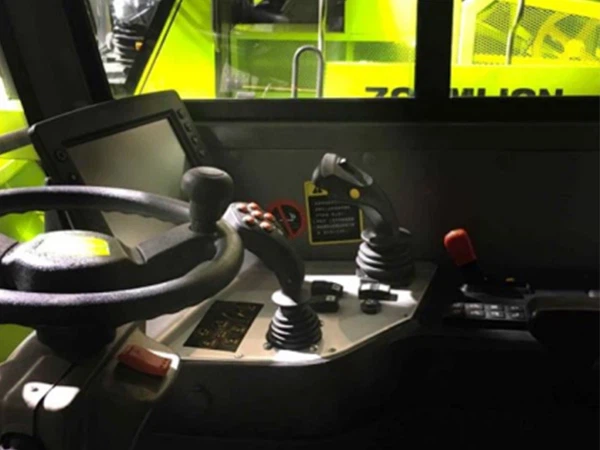
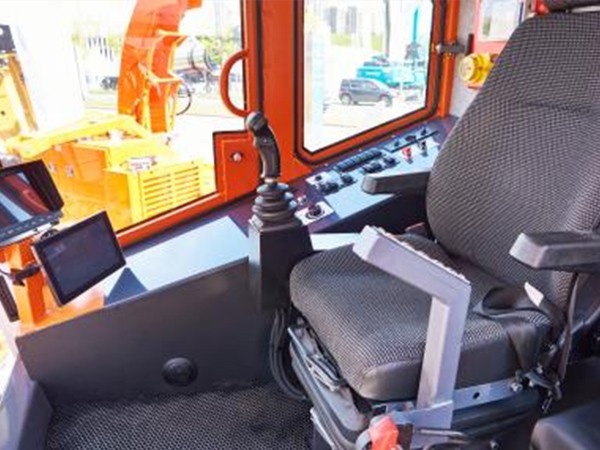
Crane joysticks are designed to be robust, reliable, and user-friendly, capable of withstanding the harsh conditions often encountered in construction and industrial environments. Typically, these joysticks consist of a handle, base, and various buttons or switches. The handle allows for multi-directional movement, enabling the operator to control the crane's hoisting, lowering, slewing (rotating), and traveling actions.
The core functionality of a crane joystick lies in its ability to convert the operator's hand movements into electrical signals. These signals are then processed by the crane's control system, which adjusts the hydraulic or electric actuators to perform the desired operations.
- Modern Joysticks are Equipped with Features Such as
● Proportional Control: Allows for precise control of crane movements by varying the output in proportion to the input. This ensures smooth and accurate positioning of loads.
● Ergonomic Design: Enhances operator comfort and reduces fatigue during long hours of operation.
● Safety Mechanisms: Includes features like deadman switches and emergency stop buttons to prevent accidents.
Strong Recommendation for Electric Control Handles
Among the various types of crane joysticks, electric control handles stand out as the superior choice for several compelling reasons:
Enhanced Precision and Responsiveness: Electric control handles offer unparalleled precision and responsiveness. They use advanced sensors to detect the slightest movements, allowing for fine-tuned control of the crane. This precision is crucial for operations requiring delicate handling, such as placing heavy loads in tight spaces.
Greater Reliability and Durability: Electric control systems are generally more reliable and durable than their mechanical counterparts. They are less prone to wear and tear since they do not rely on mechanical linkages. This results in lower maintenance costs and reduced downtime, ensuring that the crane remains operational for longer periods.
Advanced Integration Capabilities: Electric control handles can easily integrate with modern crane control systems, including those using CAN bus technology. This seamless integration allows for real-time data exchange, enhancing the crane's overall performance and reliability. Operators can monitor system diagnostics, adjust settings on the fly, and receive immediate feedback on their actions.
Customizability and Flexibility: Electric handles can be customized to suit specific operational needs. They can be programmed to adjust sensitivity, dead zones, and other parameters, providing operators with a tailored control experience. This flexibility is particularly beneficial in complex operations where different tasks may require different control settings.
Improved Safety Features: Electric control handles come with advanced safety features such as haptic feedback, emergency stop functions, and load condition alerts. These features enhance situational awareness and help prevent accidents, making crane operations safer for operators and surrounding workers.
Future-Proof Technology: As technology continues to advance, electric control handles are more adaptable to future innovations. They can be upgraded with new software and integrated with emerging technologies like augmented reality (AR) and artificial intelligence (AI), ensuring that they remain relevant and effective in the long term.
Crane Joysticks: Featured Products
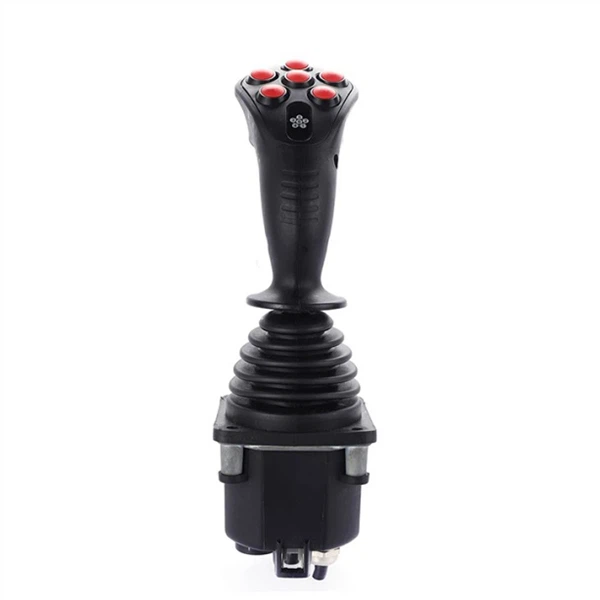
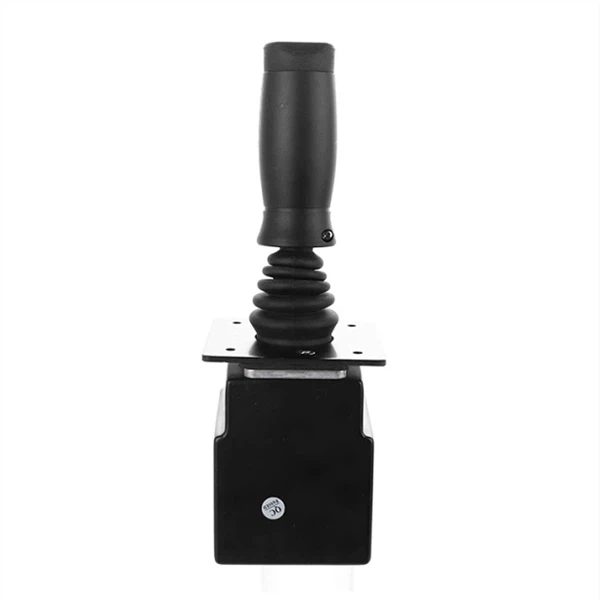
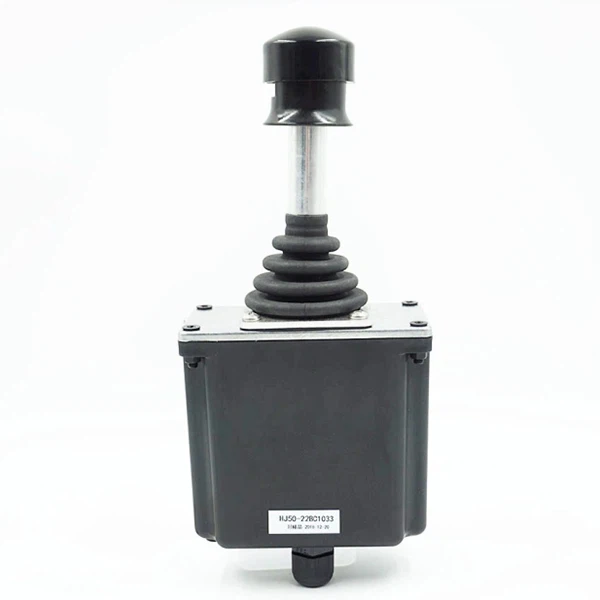
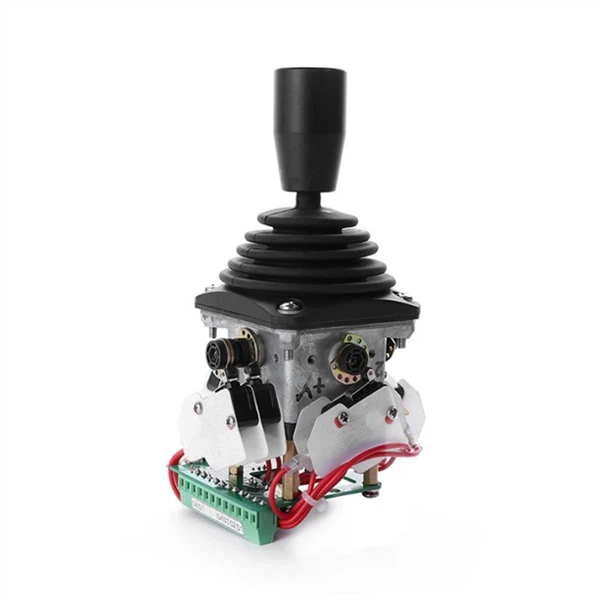
CGEC Joystick:Top Crane Joystick Manufacturer in China
Shanghai Chengong electrical control Co.,Ltd is the first joystick manufacturer devoted to industrial joysticks for 20+ years, including joystick innovation, R&D, production and customize service. CGEC has over 20 serious of products and 5 national patents, serving home and global customers in many industries. Industrial joystick is applied to AWP(aerial work platform), and CCTV, remote control. Construction Machinery, heavy duty operations, and vehicles, crane, forklift, excavator, electrohydralic control system and so on. In AWP field, we have kinds of joysticks used on Genie, JLG, Haulotte, Skyjack, Manitou, Snorkel UpRight, SANY, XCMG, ZOOMION and so on. Our company covers an area of 1500 Square meters. There are more than 70 employees, include 50 front-line workers,10 technologists and 4 quality inspectors in our factory. The registered capital of our company attains 1 million RMB.And our annual sales can reach 80000 pieces. In order to bring the most qualified products to the market, our Quality Control Department performs strict quality inspection process from the sourcing of raw materials to the testing of the finished products to ensure that only the best products can ever leave our factory for the customers. In 2018, we passed the ISO 9001 Certification in succession.

Applications and Benefits about Crane joysticks
Electric control handles are integral to various applications, from construction sites and shipyards to warehouses and manufacturing plants. Their benefits include:
● Precision: The ability to control crane movements with high accuracy is crucial for delicate operations.
● Safety: Advanced safety features and ergonomic designs help reduce the risk of accidents and operator fatigue.
● Efficiency: Proportional control and real-time feedback mechanisms improve operational efficiency, reducing downtime and increasing productivity.
● Flexibility: Different types of handles cater to diverse operational needs, providing flexibility in various industrial scenarios.